PRP for hair typically costs a few hundred to a few thousand dollars, depending on how many sessions you need, the size of the area being treated, and what’s included in your plan. So if you’re considering this treatment, plan for multiple sessions plus maintenance rather than a one-time treatment. This guide breaks down realistic price ranges, factors that affect PRP pricing, and what you can expect before you commit.
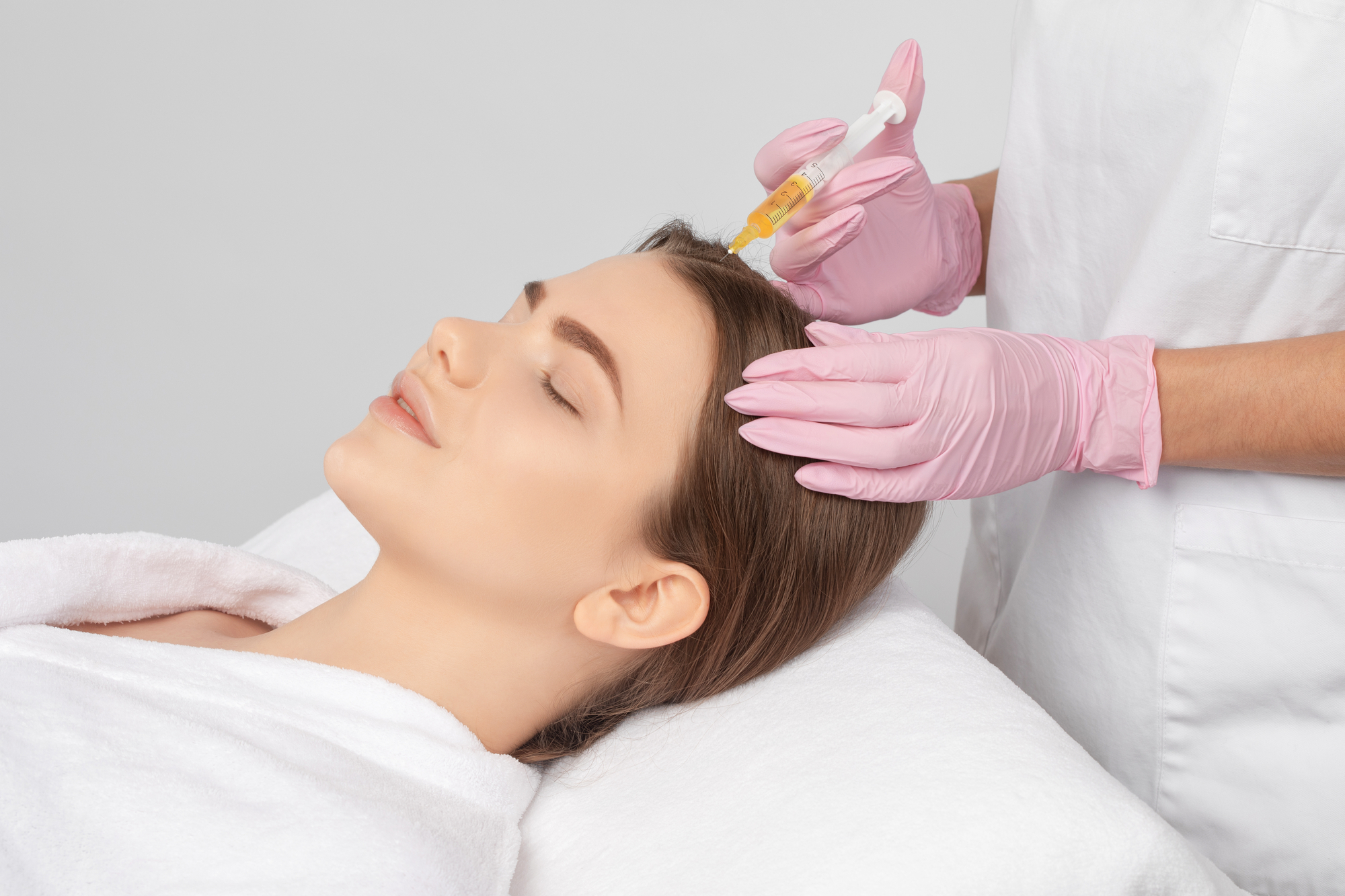
PRP (platelet-rich plasma) is a regenerative treatment that uses a concentrated portion of your own blood, rich in platelets and growth factors, to support scalp and follicle health. PRP is commonly used as part of a broader hair-restoration plan for people noticing thinning, shedding, or reduced density.
At MyScalpFit in Houston, patients receive PRP Hair Restoration using the latest techniques and innovative technology.
PRP is designed to support the scalp environment and help stimulate underperforming follicles (often seen as thinning or miniaturization). While experiences vary by person and hair-loss type, PRP is generally discussed as a way to:
Encourage a healthier scalp environment
Support follicles during thinning phases
Complement other non-surgical therapies aimed at density and shedding concerns
Because hair loss is rarely one-size-fits-all, PRP is often paired with evaluation tools, such as Microscopic Scalp Analysis, to better understand what’s happening at the scalp level before a plan is finalized.
PRP may be a fit for people who want a non-surgical option and are dealing with concerns such as:
Pattern-type thinning (androgenic alopecia)
Overall thinning (diffuse thinning)
Shedding episodes (telogen effluvium)
Post-pregnancy shedding (postpartum hair loss)
Edge/temple loss patterns, such as traction alopecia
Certain autoimmune-related loss patterns, like alopecia areata
PRP isn’t automatically the right first step for every scalp condition. For example, scarring forms of hair loss (like scarring alopecia or CCCA) may require a more condition-specific plan and careful monitoring.
PRP treatment experiences vary, but most plans include:
An assessment phase to understand your hair-loss pattern, scalp health, and goals
A tailored treatment plan, which may incorporate additional evaluations (for example, Hair Mapping or Hair Loss Blood Testing when appropriate)
A series-based schedule rather than a single appointment
Important note: pricing often reflects how comprehensive the assessment and plan-building are, not just the treatment visit itself.
Most PRP plans are not “one and done.” Many people are recommended an initial series followed by maintenance sessions. The exact number depends on:
Duration of thinning or shedding
The size of the treatment area (hairline vs. crown vs. overall density)
Whether your hair loss is stable or actively progressing
Whether PRP is combined with other therapies
Because the number of sessions is one of the biggest drivers of cost, it’s also one of the biggest drivers of value – more targeted planning and consistency generally matter more than trying to minimize visits.
What you can typically expect with PRP planning:
A focus on progress over time, not instant changes
Hair and scalp improvements that may be subtle early on (texture, shedding changes, styling ease), with density changes taking longer
Recommendations that may include complementary services, such as Low Level Laser Therapy or Follicle Rejuvenation Microneedling, depending on your scalp needs
Maintenance is where many people underestimate the true cost. PRP is often positioned as a support therapy that can be continued periodically. Maintenance needs vary based on the underlying cause of hair loss and your long-term goals.
Some people also benefit from ongoing scalp-care strategies and product support, which may include options like TrichoLogics® Topicals depending on the plan.
PRP is typically priced per session or as a package, and the total depends on how many sessions you need and any add-ons you choose to personalize your plan.
Across many markets, PRP for hair is commonly seen in these general ranges:
Per session: often $500–$1,500
Initial series/package: often $1,500–$4,500+, depending on session count
Maintenance: often $500–$1,500 per maintenance visit, scheduled periodically
These are broad ranges intended to help you budget. Exact pricing depends on the specifics of your plan and what a clinic includes.
When you compare prices, you’re not always comparing the same thing. PRP “cost” may include:
The treatment visit itself (time, supplies, and clinical processing)
A consultation and plan design
Scalp evaluation tools (which may be separate at some practices)
Progress check-ins and recommended timelines
If your plan includes add-on services that support the scalp environment, such as Microscopic Scalp Analysis or other supportive modalities, these may affect your total.
A realistic way to estimate your PRP budget is to think in tiers:
Smaller area + fewer sessions: lower end of the range
Moderate thinning + multi-session series: middle range
Advanced thinning + combination approach: higher end
PRP pricing varies for understandable reasons – hair loss patterns, scalp health, and plan structure aren’t identical from person to person.`
This is typically the #1 pricing factor. More sessions usually mean:
A longer initial series
More provider time across visits
More opportunities to track progress and adjust the plan
If you’re comparing two quotes, the lower quote may simply reflect fewer sessions included.
PRP pricing often trends higher in major metro areas due to higher operational costs. Houston pricing may differ from smaller surrounding markets, even for similar treatment structures.
Complexity can raise costs when the plan requires:
More extensive coverage area (diffuse thinning vs. a small patch)
Extra assessment to clarify the cause of shedding
A multi-therapy approach for scalp health support
For example, if signs point to nutritional or hormonal contributors, a provider might recommend additional evaluation, such as Hair Loss Blood Testing, which can change total spend.
Not all PRP workflows are identical. Pricing may reflect:
The quality and consistency of processing systems
The rigor of evaluation and follow-up
The overall clinical experience of delivering hair-restoration care
At MyScalpFit, care is structured around hair and scalp-focused services offered through the MyScalpFit platform.
PRP is often combined with supportive services, which can increase total cost but may be recommended to address multiple contributors to thinning. Common add-on categories include:
Scalp-focused evaluation (imaging/analysis)
In-office supportive therapies, such as Low-Level Laser Therapy
Scalp and follicle-supporting regimens, such as TrichoRevive™ Technology or TrichoLogics®
PRP quotes can look straightforward until you consider ongoing care. Planning for the “hidden” costs up front helps prevent surprises.
Even if your initial series is packaged, you may still have costs for:
Periodic maintenance sessions
Progress check-ins (depending on how a plan is structured)
Additional sessions if you’re trying to optimize density or address new shedding
A helpful budgeting question is: “What does a typical year of maintenance look like for someone with my hair-loss pattern?”
Some people also budget for supportive scalp/hair products recommended for ongoing maintenance. Depending on your plan, this may include topical support such as TrichoLogics® Topicals.
The key is to treat aftercare as part of the total plan cost, not as an afterthought.
People often compare PRP to other hair-restoration methods to decide whether it’s “worth it.” The value is strongly tied to your goals, timeline, and tolerance for ongoing maintenance.
PRP is typically compared with:
At-home topical regimens (often lower monthly cost but require consistency)
Device-based approaches like Low-Level Laser Therapy (ranges from $100 to $300 per session)
Microneedling-based scalp support, such as Follicle Rejuvenation Microneedling
(ranges from $500 to $1,500 per session)
Cost comparisons are most useful when you compare:
Total 6-12 month spend
Time commitment
Maintenance expectations
Whether the approach matches your specific diagnosis (pattern thinning vs. shedding vs. inflammatory/scalp conditions)
PRP hair treatment is usually priced per session or as a package, often totaling hundreds to several thousand dollars, and the true cost depends on the number of sessions, treatment area, plan complexity, and maintenance. If you budget for an initial series plus follow-up care, you’ll be in a much better position to choose a plan that fits both your hair goals and your finances.

About the Author
Dr. Leola Anifowoshe
Meet The Team
March 29, 2026