Does PRP Work for Hair Loss: Understanding Effectiveness and Results
If you have noticed more hair than usual on your pillow in the morning, clogging the shower drain, or collecting on your hairbrush, you are probably searching for real solutions, not just promises. Platelet-rich plasma therapy, known as PRP, has become one of the most talked-about treatments in hair medicine, and for good reason: clinical evidence consistently shows that it works for most people experiencing early to moderate hair loss, with measurable improvements in density, thickness, and scalp health. It is not a miracle cure, and it works best when started early. However, for the right candidate, the results can be genuinely life-changing.
This guide walks you through exactly how PRP works, what you can expect from treatment, and whether it might be the right step for you.
What Happens to Hair Follicles When Hair Loss Begins
Every strand of hair grows from a tiny structure in your scalp called a follicle. These follicles go through natural cycles of growth, rest, and shedding. When hair loss begins, those cycles get disrupted. Follicles shrink, their growth phases shorten, and over time, they may stop producing visible hair altogether.
The good news is that many follicles experiencing this decline are not dead – they are dormant. They still have the potential to recover and grow healthy hair again, especially when treatment begins before significant miniaturization occurs. This is why early intervention matters so much, and why PRP has become such a promising option.
How PRP Encourages Hair Growth
PRP works by harnessing your body’s own healing intelligence. A small amount of your blood is drawn, then spun in a centrifuge to concentrate the platelets – tiny cells packed with growth factors that your body naturally uses to repair tissue. This concentrated plasma is then injected directly into areas of the scalp where hair loss is occurring.
Once delivered to the scalp, those growth factors get to work in several important ways:
They stimulate dormant follicles, waking them from their resting phase
They promote the production of new cells around the follicle
They reduce inflammation, which is often an underlying driver of hair loss
They extend the active growth phase of each hair cycle
The result is hair that grows thicker, stronger, and more consistently over time. Most patients begin to notice improvements within three to six months of starting treatment.
The Role of Blood Supply in the Healing Process
One of the most important aspects of PRP therapy is what it does for circulation in the scalp. Growth factors in PRP actively promote the formation of new small blood vessels, which means improved blood supply to each follicle. Better circulation delivers a richer flow of oxygen and nutrients, creating the ideal environment for sustained hair production.
Think of it this way: a follicle struggling with poor circulation is like a plant in dry soil. PRP essentially waters the soil and improves the conditions so the plant (your hair) can actually thrive. This vascular improvement is one of the reasons PRP results tend to continue developing for months after treatment, even between sessions.
Hair Thinning and Who PRP Helps Most
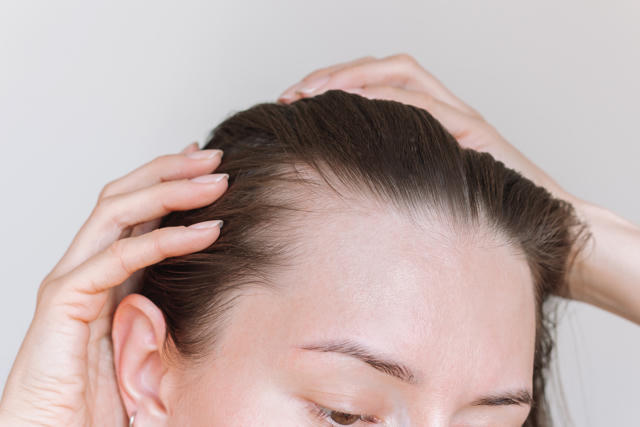
PRP is most effective when used at the right stage of hair loss. Patients experiencing gradual hair thinning – where hair becomes finer and less dense over time – tend to respond especially well. If follicles are still present and partially active, PRP can revive and strengthen them. The earlier treatment begins, the more follicles can be rescued before they permanently miniaturize.
PRP is generally not recommended for patients who have been completely bald in an area for many years, as follicles that have been inactive for an extended period are less likely to respond. A qualified provider will assess your scalp closely to determine whether your follicles still have sufficient activity to benefit from treatment.
Androgenetic Alopecia: The Most Common Candidate
The majority of people seeking PRP treatment have androgenetic alopecia – the technical name for the genetically driven hair loss that affects both men and women. In men, it typically shows as a receding hairline or thinning crown. In women, it more often presents as a widening part or generalized thinning across the top of the scalp.
Multiple peer-reviewed studies have confirmed that PRP significantly increases hair count and diameter in patients with androgenetic alopecia. It does not stop the underlying genetic process, but it creates a more favorable environment that slows progression and promotes visible regrowth.
Alopecia Areata: A Different Kind of Hair Loss
Alopecia areata is an autoimmune condition that causes patchy hair loss and behaves quite differently from androgenetic alopecia. Research on PRP for alopecia areata is still evolving, but early findings are encouraging. Some patients have seen meaningful regrowth in affected patches, particularly those with mild to moderate involvement. Results tend to be less predictable than in androgenetic cases, which is why a thorough consultation with a specialist is especially important for this condition.
Hair Regrowth: What to Realistically Expect
Hair regrowth takes time. Hair grows slowly, typically about half an inch per month, and the treatment itself needs several weeks to trigger meaningful follicular activity. A typical PRP protocol looks like this:
Three to four initial sessions, spaced 4-6 weeks apart
A gradual increase in hair density and thickness beginning around months 3-4
Peak visible results appearing between 6 and 12 months after starting treatment
Ongoing maintenance sessions to sustain the improvements achieved
Patients often notice that their existing hair looks and feels healthier before new growth becomes obvious. Reduced shedding is frequently one of the first signs that PRP is working.
Hair Restoration, Hair Transplantation, and Where PRP Fits In
Hair restoration is a broad term that covers everything from topical treatments and medications to surgical procedures. PRP falls into the non-surgical category, making it an appealing option for patients seeking meaningful results without downtime or incisions.
For those who have undergone or are considering hair transplantation, PRP plays a particularly valuable supporting role. When used alongside a transplant, PRP has been shown to improve graft survival rates and speed up healing. The growth factors help newly transplanted follicles establish a healthy blood supply more quickly, leading to better overall outcomes. Many surgeons now recommend PRP as a standard complement to surgical hair restoration for exactly this reason.
For patients who prefer a non-invasive path, PRP can also serve as a powerful standalone treatment, especially when combined with other evidence-based therapies like minoxidil or low-level laser therapy.
Staying Ahead with Maintenance Treatments
Hair loss is often a progressive condition, and PRP is most effective when approached as an ongoing commitment rather than a one-time fix. After the initial series of sessions, maintenance treatments (typically once every 3-6 months) help sustain the results you have worked to achieve.
Think of maintenance the same way you would think of any other health routine. Regular visits keep the growth factors active in your scalp, support continued circulation, and help slow any underlying progression. Patients who stay consistent with their maintenance schedule tend to retain their results far longer than those who stop after their initial sessions.
Beyond the Scalp: Facial Rejuvenation with PRP
The same science that makes PRP so effective on the scalp has also made it one of the most popular treatments in cosmetic medicine. PRP for facial rejuvenation uses the same platelet-rich plasma to stimulate collagen production, improve skin texture, reduce fine lines, and promote a more youthful overall appearance.
Many patients receiving scalp PRP choose to add a facial rejuvenation session during the same visit, since the blood draw is already part of the process. It is a natural extension of the same therapy and an efficient way to address multiple concerns in a single appointment.
Schedule Your Hair Restoration Treatment Today!
There has never been a better time to take the first step toward thicker hair, and it starts with a single conversation. Our team will work with you to build a personalized treatment plan that addresses your specific pattern of loss, targets the underlying causes, and sets realistic goals for your results. PRP hair treatment is one of the most evidence-backed approaches available today, using your own biology to promote hair growth from within and support the tissue repair your follicles need to recover.
Through a series of precisely delivered PRP injections, we work to increase hair density in the areas where you need it most, restoring not just volume but confidence. Whether your goal is to improve overall hair health or achieve visibly thicker hair, we will design your initial treatment around what matters most to you.
Reach out today – your hair’s recovery can start sooner than you think.
Conclusion
The science behind platelet-rich plasma (PRP) is both elegant and compelling. Unlike many hair loss treatments that work from the outside in, PRP for hair loss works by drawing on your own blood. A small blood sample is processed to remove red blood cells and white blood cells and to concentrate platelets, which drive healing. That elevated platelet concentration is what makes platelet-rich plasma injections so effective. Delivered directly to the scalp, they reach the dermal papilla cells at the base of each follicle and trigger the cell growth and tissue regeneration your scalp needs to recover. The growth factors released in this process reawaken dormant hair follicles, stimulate hair growth, and support healthier hair that builds visibly over time.
PRP therapy has also been shown to accelerate wound healing in the scalp environment, which is why it integrates so well with hair transplants and significantly improves outcomes for patients who pursue both. Whether you are dealing with male-pattern baldness, female-pattern baldness, androgenic alopecia, or even more complex conditions like scarring alopecia, PRP hair restoration offers a biologically grounded path forward.
What makes PRP for hair loss stand out in an increasingly crowded field is how well it works alongside other proven approaches. A well-designed treatment regimen might combine platelet-rich plasma injections with topical minoxidil, oral finasteride, or both – layering complementary mechanisms to improve hair thickness, regrow hair in thinning areas, and sustain new hair growth over the long term. Lifestyle factors also play a meaningful role in PRP effectiveness: sleep, nutrition, stress management, and overall health all influence how well your follicles respond to treatment. Stem cells present in the scalp tissue are also activated through the PRP process, contributing to the broader tissue regeneration that makes results more durable. And for patients interested in more than just their hair, many of the same growth factors that drive scalp recovery also make PRP a powerful tool for skin rejuvenation, addressing texture, tone, and collagen loss in a single visit.
PRP hair restoration is one of the most well-tolerated procedures available today. Because it uses your own blood, the risk of an allergic reaction is exceptionally low, and most patients report only minimal discomfort during the session. There is no lengthy recovery, no scarring, and no disruption to your daily life. As a hair loss treatment, it occupies a unique position – non-surgical, scientifically supported, and built entirely around your body’s own capacity to heal and grow. Whether you are just beginning to notice thinning hair or have been navigating this journey for years, PRP therapy offers something genuinely worth considering: a chance to work with your biology rather than against it, and to come out the other side with healthier, thicker, more resilient hair.

About the Author
Dr. Leola Anifowoshe
Meet The Team
March 2, 2026
Hair Restoration Solutions